
5 Common Kettle Mistakes and How to Avoid Them
KETTLE GUIDE
10/7/20257 min read


Overfilling the Kettle
Overfilling the kettle is a common mistake that many individuals make during their routine boiling of water. This practice can lead to significant risks, including the potential for spills and damage to the kettle. When a kettle is filled beyond its maximum capacity, the water can easily boil over, creating a mess on the stovetop or kitchen counter, which may require extra cleaning. Furthermore, the boiling water can come into contact with electrical components in electric kettles, posing a safety hazard.
Each kettle comes with a manufacturer-recommended maximum fill line, which is crucial for safe and effective operation. Exceeding this line can not only lead to spills but can also affect the efficiency of the kettle. When a kettle is overfilled, it takes longer to boil the water, which can lead to increased energy consumption. Additionally, consistent overfilling may compromise the longevity of the kettle itself, as the excess pressure generated can strain its structure over time.
To avoid the common mistake of overfilling, individuals should take practical measures when measuring water quantities. A simple way to prevent overfilling is to use a measuring cup, ensuring that the water added does not exceed the recommended fill line. Moreover, being mindful of the number of cups of water needed can also help in achieving the appropriate quantity. For instance, if only a single cup of boiling water is needed, using a kettle designed for smaller amounts can be an effective solution. By adhering to these guidelines, users can maximize the efficiency of their kettles while minimizing potential safety hazards and damages.
Using the Wrong Type of Water
The type of water used in a kettle significantly influences its performance and longevity. One of the primary concerns is the distinction between hard and soft water. Hard water is characterized by a high mineral content, particularly calcium and magnesium. When boiled, these minerals can precipitate and form limescale within the kettle. This buildup not only affects the kettle’s efficiency by hindering heat transfer but can also alter the taste of the water and beverages prepared in it. In contrast, soft water is treated to remove these minerals, thereby preventing such issues. Using soft water can enhance the kettle's operation, leading to a cleaner brewing environment and improved flavor profiles in beverages.
To maintain kettle cleanliness and functionality, it is crucial to address the use of hard water. Regular descaling is paramount in homes where hard water is prevalent. Descaling solutions, either commercial or homemade, can effectively remove limescale buildup. Common natural descalers like vinegar and citric acid can be combined with water and boiled in the kettle to dissolve deposits. Additionally, using filtered or distilled water can mitigate the risks associated with hard water. Both options lead to a lower mineral content, making them preferable for kettle use.
Homeowners should assess the hardness level of their water, which can often be done through local water utility reports or home testing kits. Understanding the water quality can aid in making informed decisions, thus prolonging the life of the kettle and ensuring optimal beverage preparation. Overall, being mindful of the type of water used presents an easy yet effective solution to avoid common kettle-related issues, supporting better maintenance and enhanced beverage quality.
Ignoring Regular Cleaning and Maintenance
Regular cleaning and maintenance of a kettle is often overlooked, yet it plays a crucial role in both the performance and longevity of the appliance. Over time, kettles can accumulate limescale and mineral deposits, particularly if they are frequently used in areas with hard water. This buildup not only affects the kettle's efficiency but can also significantly alter the taste of boiled water, leading to an unpleasant experience when preparing tea or coffee.
One of the main reasons limescale forms is due to the heating process, where minerals in the water precipitate as the water heats up. As these deposits accumulate, they may not only hinder heating performance by creating a barrier between the heating element and the water but can also lead to potential malfunctions or a shorter lifespan for the kettle. Therefore, implementing a regular cleaning schedule is essential.
To effectively remove limescale, a mixture of equal parts vinegar and water can be used. Fill the kettle with the solution and allow it to sit for approximately 15-20 minutes. After that, boil the kettle to help dislodge any stubborn deposits. Once boiled, pour out the solution and rinse the kettle thoroughly with clean water. For a more natural approach, citric acid can also serve as an effective cleaner. Dissolve a tablespoon of citric acid in water, follow the same cleaning process, and you will notice a significant improvement.
Additionally, it is advisable to wipe the exterior of the kettle regularly and check the power cord and other components for any signs of wear or damage. By proactively maintaining your kettle with these cleaning techniques and routines, you not only enhance its functional performance but also extend its service life, ensuring a reliable kitchen companion for years to come.
Understanding the Importance of Choosing the Right Kettle
Selecting the appropriate kettle for your specific needs can greatly enhance your overall experience in the kitchen. There are two primary types of kettles: electric and stovetop. Each has its unique advantages that cater to different scenarios, making it crucial to consider what you frequently prepare.
Electric kettles are an efficient option for quickly boiling water, often coming equipped with features such as temperature control and automatic shut-off mechanisms. These are particularly beneficial for tea enthusiasts, as the precise temperature can significantly affect the flavor of various tea types. For example, green tea requires water that is not too hot, while black tea benefits from water at a rolling boil. Therefore, if you are someone who enjoys brewing different tea varieties, an electric kettle may be the perfect choice for you.
On the other hand, stovetop kettles are traditional devices that offer simplicity and a more nostalgic approach to hot water preparation. They generally require more time to boil water compared to their electric counterparts but provide a level of control over the heating process that some users prefer. Stovetop kettles can also be used for cooking purposes, such as heating water for pasta or other meals, making them a versatile addition to your kitchen tools.
In modern kitchens, it's not uncommon to use kettles for instant meals like ramen. For such cases, having a kettle with a larger capacity can be advantageous, ensuring that you have enough hot water readily available. Therefore, understanding your cooking preferences and lifestyle is essential in selecting the most suitable kettle. By recognizing the advantages and intended use of each kettle type, you can avoid the common mistake of not using the right kettle for the job, ensuring that you optimize your kitchen efficiency.
One of our favorite kettles..
Hamilton Beach Electric Kettle
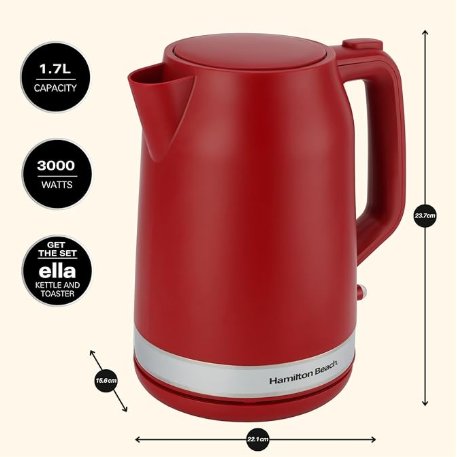
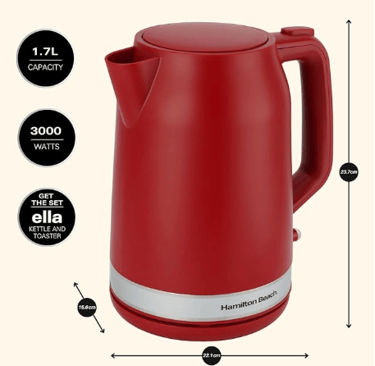
Click 'Shop Now!' to find on Amazon now!...
📐 Specs
Capacity: 1.7 liters
Power / Wattage: 1,500 W
Body / Material: Stainless steel or borosilicate glass + stainless steel heating plate
Safety Features: Auto shut-off, boil‑dry protection
Serving / Base: Cordless serving with 360° swivel base
Lid & Opening: Hinged or flip lid (depending on model)
Filter: Removable mesh / anti-scale filter
Water Window / Indicator: Clear window or gauge to see water level
Dimensions / Size (approx): around 21 cm × 16 cm × 22 – 23 cm (varies by version)
Extras: LED indicator light during boiling, concealed heating element
Pros & Cons
Pros
Fast Boiling: The 1,500 W element heats water reasonably quickly for general use.
Safe Design: Auto shut-off and boil-dry protection reduce the risk of accidents in shared or busy spaces.
Cordless Pouring: The 360° swivel base lets you place the base near a socket and lift the kettle without dragging a cord.
Good Capacity for Sharing: 1.7 L is enough to make multiple cups or cater to roommates without constant refills.
Clear Water Level: The window/gauge helps you see how much water is inside, avoiding overflows or underfills.
Removable Filter: Helps with scale and keeps water clearer over time.
Stylish / Modern Look: Many models are sleek and attractively designed, which is a plus in compact, visible spaces.
Cons
Exterior Gets Hot: Because many models are stainless steel or glass, the outer surface can become warm to the touch.
Lid Mechanism Issues: Some users report the lid or hinge can degrade or become less effective over time.
Small Opening: The lid or opening may be too small to clean easily with a hand or brush.
Wobble / Base Stability: In some reviews, kettle-to-base fit was slightly loose, causing minor wobble when boiling.
No Temperature Control: It’s a basic kettle — you can’t dial in lower temps for sensitive teas.
Durability Concerns: A few users report the auto-shutoff feature failing after extended use.
My Review
I used the Hamilton Beach 1.7 L kettle in a small kitchen setup with limited counter space, and here’s what stood out to me:
Performance & Speed: For everyday tasks — tea, coffee, instant meals — it performed solidly. It’s not instantaneous, but it’s fast enough that waiting is rarely frustrating.
Practical Design: The cordless base is genuinely helpful when space is tight. You can keep the base tucked near an outlet and move the kettle around easily. The water-level window prevents “oops, overfill” moments.
Safety Is Reassuring: In a shared or dorm environment, the automatic shut-off is a must. It gives peace of mind if you get distracted or walk away.
Aesthetic Bonus: It doesn’t look like a bulky plastic tub. It fits visually into a nicer kitchen space, which matters when your kettle is always in view.
However, it’s not flawless:
The outer body does warm up, so you need to be careful where you place it and which parts you touch.
Cleaning can be a bit awkward due to the lid shape or small opening — I had to use a brush for the corners sometimes.
I also noticed a slight give when the kettle sits on its base, especially at high boil — nothing dangerous, but perceptible.